







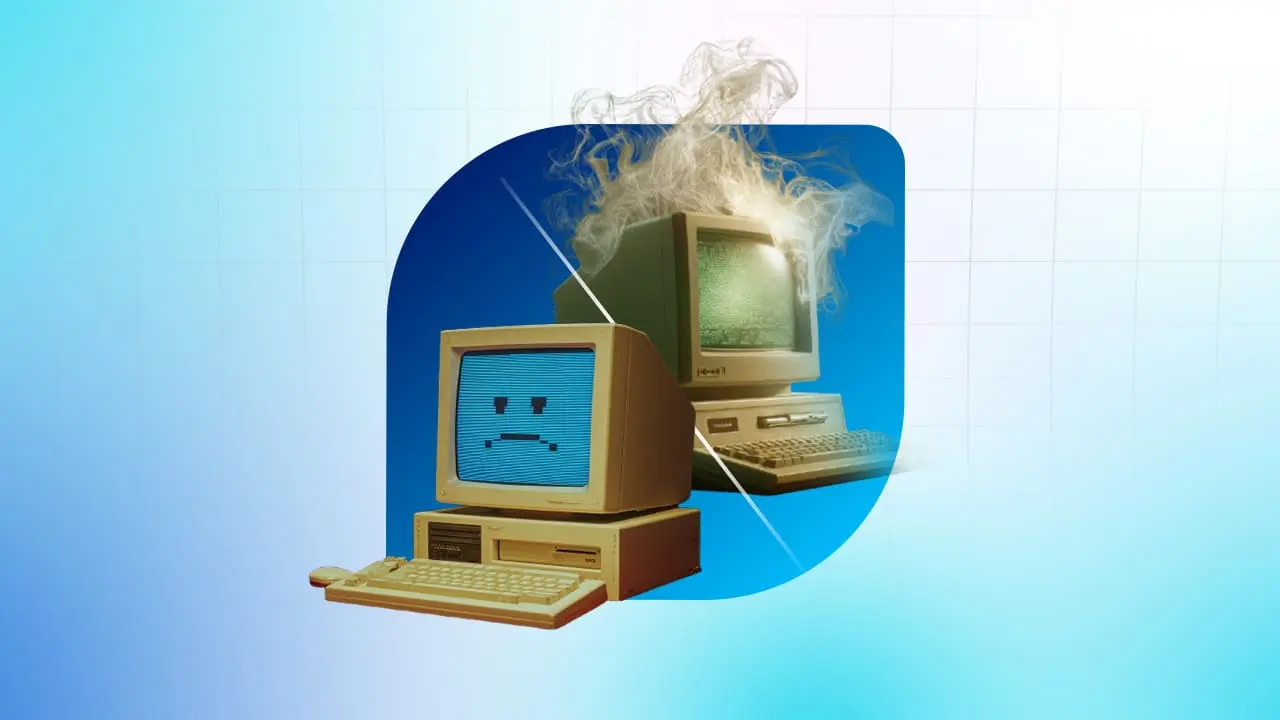
Smoke Testing vs Sanity Testing: What’s the Key Difference?

Smoke testing vs sanity testing sounds like an easy distinction on paper, yet many QA teams still blur the line. And here’s why that matters. When teams mix them up, they waste time, delay feedback, and misunderstand what each test stage is meant to protect. Smoke and sanity testing in software testing serve different purposes, appear at different moments in the pipeline, and influence build stability in very different ways.
This guide breaks down the difference between sanity and smoke testing, when to use each, how to automate them, and what a modern CI pipeline should look like when both are implemented correctly.
- What Is Smoke Testing?
- What Is Sanity Testing?
- Difference Between Sanity and Smoke Testing
- Smoke vs Sanity Testing: Why Teams Get Confused
- Smoke vs Sanity Testing in DevOps Pipelines
- How to Implement Smoke and Sanity Testing Correctly
- Metrics That Matter
- Common Pitfalls and How to Avoid Them
- Best Practice Checklist
- How ACCELQ Helps Automate Smoke and Sanity Testing
- Conclusion
What Is Smoke Testing?
A smoke test is a quick build verification step. Think of it as checking whether the software is even usable before anyone dives deeper. It covers broad, high-value flows that tell you if the application can start, load, and perform its most essential actions, essentially validating high-level end-to-end testing readiness. In short, a smoke test asks one question: is this build stable enough to test further?
Teams often automate smoke tests because timing matters. You want results in minutes, not hours. Most smoke test software focuses on speed, minimal setup, and clear “go or no go” signals for the pipeline.
What Is Sanity Testing?
Sanity testing is a focused check that validates whether a specific change or bug fix behaves correctly. It looks narrow and targeted. If smoke testing is the wide-angle lens, sanity testing is the close-up shot.
You run a sanity test when you want to confirm that a particular feature, module, or story is working as expected after a minor change. It typically covers a smaller part of the application and can be executed manually or semi-automated, depending on complexity.
Sanity testing vs regression testing is a common follow-up comparison. Regression tries to retest the entire system. Sanity only checks the part you just touched.
Difference Between Sanity and Smoke Testing?
Here’s the clean, practical difference between the two.
| Area | Smoke Testing | Sanity Testing |
|---|---|---|
| Scope | Broad and shallow | Narrow and deeper |
| Purpose | Validate build stability | Validate correctness of a specific change |
| Timing | After a new build | After a minor update or fix |
| Execution | Fast, automated | Manual or targeted automation |
| Goal | Decide if testing should proceed | Confirm change is functioning before deeper tests |
Here’s what this means in the real world:
- If your smoke suite fails, you reject the build.
- If your sanity suite fails, you reject the change.
Both are essential, but they protect different parts of the delivery flow and ensure healthy test coverage.
Smoke vs Sanity Testing: Why Teams Still Get Confused?
Even experienced QA teams sometimes mix up smoke vs sanity testing. A few reasons:
1. Terminology overlaps across teams
Developers, testers, and DevOps engineers often use the terms interchangeably without realizing it.
2. Fast CI pipelines blur stages
With automated commits, deployments, and triggers firing constantly, it is easy to lump everything under “regression”.
3. Automation frameworks hide naming conventions
Some pipelines label the first test stage “smoke”, even if it includes sanity tests.
4. Lack of role clarity
Without clear ownership, no one defines what belongs in each suite.
This confusion leads to bloated smoke suites and sanity suites that slowly become mini regressions.
Smoke Testing vs Sanity Testing in DevOps Pipelines
Let’s break it down with a simple pipeline view.
Commit → Smoke Suite → If Pass → Sanity Suite → Full Regression (Nightly)
This is the ideal structure.
- The smoke suite catches catastrophic failures fast
- The sanity suite checks targeted changes
- Regression ensures nothing else broke
In practice, many teams invert this or run sanity too early. Fixing this one flow usually cuts hours of wasted testing time and keeps your CI/CD pipeline predictable.
How to Implement Smoke and Sanity Testing Correctly?
To make smoke and sanity testing work together, build a structure around them.
1. Establish clear gates
- Gate 1: Smoke tests
- Gate 2: Sanity tests tied to changed modules
- Gate 3: Full regression
This keeps pipelines predictable.
2. Automation strategy
- Automate smoke tests fully, since speed matters
- Automate sanity tests selectively
- Connect sanity tests to change impact analysis
- Ensure both suites feed results back into build decisions
3. Example CI/CD flow
Commit → Deploy to Test → Run Smoke → If Green → Run Sanity for Changed Areas → Promote → Nightly Regression
This aligns with building a maintainable test automation framework.
Smoke example:
Can the app launch, authenticate, load dashboards, and perform critical navigation?
Sanity example:
Does the new discount rule apply correctly after yesterday’s fix?
Both tests help, but they answer very different questions.
Metrics That Matter
To keep quality signals strong, measure:
- Time to feedback per test stage
- Pass or fail trends
- Number of defects caught by each suite
- Execution time vs value delivered
- Coverage of key business flows
Fast feedback loops are the real value here. All of this ties directly into improving overall test coverage with automation.
Common Pitfalls and How to Avoid Them
1. Automating too many sanity tests
When sanity becomes regression, you lose speed.
2. Bloated smoke suites
Smoke should be under 5 percent of your full regression suite.
3. Heavy data setup
Smoke tests must be light and quick to run.
4. Poor modularization
Sanity tests must be maintainable and easy to update as features evolve.
5. Missing traceability
Tie sanity tests to stories, commits, or change sets to avoid confusion and reduce overuse of no-code test automation tools.
Best Practice Checklist
- Define smoke and sanity clearly for your team
- Keep smoke suites lean and high value
- Tie sanity tests to change impact analysis
- Automate smoke fully, sanity partially
- Maintain dashboards showing each stage’s contribution
- Review and prune both suites regularly
This keeps your pipeline honest and efficient.
How ACCELQ Helps Automate Smoke and Sanity Testing?
ACCELQ simplifies both smoke and sanity testing in modern delivery pipelines. It provides fast, reliable automation for critical smoke flows and modular design capabilities for sanity suites that need targeted validation.
Smarter, Faster, Limitless Automation Awaits!
Take AUTOPILOT for a Test Drive Today
Here’s how it helps:
1. Fast execution for smoke tests
ACCELQ’s codeless design lets teams automate essential business flows quickly and run them at high speed in CI pipelines.
2. Impact-driven sanity testing
ACCELQ maps automation to application models, allowing sanity tests to automatically align with recent changes.
3. Stability for evolving applications
Self-adapting element logic reduces the maintenance burden that usually slows sanity suites down.
4. Unified pipelines
Smoke and sanity tests run through CI tools like Jenkins or Azure DevOps with full reporting and traceability.
This gives teams a clear, structured testing framework that supports rapid releases without sacrificing reliability. ACCELQ applies the same model-based automation principles teams often use in Salesforce test automation and other enterprise ecosystems.
Conclusion
The difference between sanity and smoke testing is simple, but the impact is significant. Smoke tells you whether a build is worth testing at all. Sanity tells you whether a recent change behaves correctly. Mixing them up hurts both speed and quality.
If you are unsure whether your current pipeline separates these stages well, start with one environment. Map the smoke suite. Map the sanity suite. Remove the overlap. Strengthen the gates. Your pipeline will get faster, and your feedback loop will actually make sense again.
The real value comes from treating smoke testing vs sanity testing as two separate quality signals. When both are clear and automated intelligently, your entire software delivery flow becomes more predictable.



Chaithanya M N
Content Writer
A curious individual who is eager to learn and loves to share her knowledge using simple conversational writing skills. While her calling is technology and reading up on marketing updates, she also finds time to pursue her interests in philosophy, dance and music.

You Might Also Like:
 Top 10 Exploratory Testing Tools In 2026
Top 10 Exploratory Testing Tools In 2026
 Is Achieving 100% Test Coverage Important
Is Achieving 100% Test Coverage Important
 Top Test Coverage Techniques in Software Testing.